
Best Chinese Cleaver
How to Choose the Right One

A Chinese cleaver is one of the most useful knives you can own. It handles daily prep with speed and control, yet it can manage tougher cuts when needed. This guide focuses on how to choose the best Chinese cleaver for real kitchen work. No hype. Just what matters, why it matters, and how to pick the right tool for your style of cooking.

The All-Purpose Workhorse
What a Chinese cleaver is
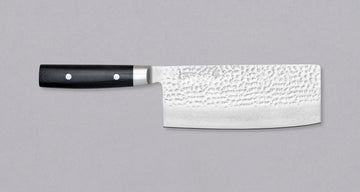
A Chinese cleaver is a large rectangular blade designed for chopping, slicing, and dicing. Some models also handle light smashing. It is often confused with a Western butcher’s cleaver, but they serve different roles. A good Chinese cleaver is built for everyday kitchen tasks, not only heavy-duty chopping.
The blade is wide and relatively thin, which gives you surface area for scooping ingredients and steady control on the board. The edge geometry is optimized for clean cuts rather than brute force. That balance is the reason many cooks rely on a single cleaver for most prep work.
Key traits include:
- Broad, thin blade for efficient slicing
- Good edge geometry for precision
- Versatility across vegetables, meat, and light bones (depending on the type)



Types of Chinese cleavers
Not all Chinese cleavers behave the same. Choosing the wrong type is a common mistake.
Vegetable cleaver (Chinese chef’s knife)
This is the most common option and the best place to start. It has a thinner and lighter blade with a sharp edge designed for speed and accuracy.
It works best for:
- Vegetables and herbs
- Fruit
- Boneless meat
For most home cooks, this is the right choice. It delivers precision without tiring your hand and handles the majority of kitchen tasks with ease.
Heavy cleaver (chopper)
A heavy cleaver has a thicker, heavier blade. It is built for tougher jobs and absorbs impact better than a vegetable-focused model.
It works best for:
- Small bones
- Squash and dense vegetables
- Rougher prep where durability matters
This type makes sense if you plan to use it like a traditional cleaver. It is not ideal for fine slicing, but it excels at force-driven cuts.
What to look for when choosing one
Choosing the best Chinese cleaver comes down to a few clear factors. Ignore marketing terms and focus on performance.
Blade material
Steel choice affects sharpness, maintenance, and edge life. High-carbon stainless steel offers a strong balance. It stays sharp well and resists rust, making it practical for daily use.
Carbon steel sharpens easily and takes a very fine edge. The trade-off is maintenance. It requires drying and care to avoid corrosion.
High-end powdered steels such as SG2 or R2 deliver excellent edge retention. These are premium options for cooks who value long-lasting sharpness and are comfortable with higher costs.
Blade thickness
Thickness defines how the knife behaves on the board.
A thin blade around 2 mm slices cleanly and requires less force. It suits vegetable work and precision tasks.
A thicker blade, around 3.5 mm or more, handles tougher ingredients and light bone work better. You sacrifice some finesse for strength.
Handle design
The handle affects comfort, control, and fatigue.
Wood or pakkawood handles provide a traditional feel and good grip. They are comfortable and familiar to many cooks.
Micarta or synthetic handles are more durable and require less maintenance. They suit busy kitchens and humid environments.
Full tang construction adds strength and can improve balance. Hidden tang designs are lighter and often preferred for agility. Neither is inherently better. Balance matters more than construction style.
Balance and weight
A cleaver should not feel heavy for daily use. The blade and handle need to work together. Proper balance gives you control and reduces strain during long prep sessions.
If the knife feels awkward or tiring after a few minutes, it is not the right fit, no matter how good the steel is.
Using a Chinese cleaver correctly
Technique matters as much as the tool. A Chinese cleaver rewards clean, controlled movements.
Use the full length of the edge for slicing. Let the weight of the blade do part of the work. Keep your guiding hand safe and stable on the food.
The wide blade is useful for more than cutting. You can scoop ingredients directly into the pan. You can also gently crush garlic or ginger using the flat side, as long as the blade is designed for it.
Avoid using a thin vegetable cleaver on hard bones. That is the fastest way to damage the edge.
Why the right knife changes how you cook
A knife is the most basic and most used tool in the kitchen. When the size, steel, handle, and sharpness are right, the knife becomes an extension of your arm.
Japanese chefs describe this connection with the concept of Jinba Ittai 人馬一体. It means “person and horse as one body.” In cooking terms, it describes a state where your movements and the blade work together without resistance. You focus more on the food and less on the tool. The result is cleaner cuts and better control, which directly affects texture and taste.


SharpEdge Shop and high-performance blades
SharpEdge Shop focuses on high-performance kitchen knives. The goal is not only to sell knives, but to help cooks understand why sharpness, balance, and steel quality matter.
Education is part of the process. When you understand how a knife works and how to choose the right one, your results improve. Cooking becomes more efficient and more enjoyable.
The selection at SharpEdge Shop reflects this approach. It includes knives designed for serious home cooks and professionals who expect consistency and precision from their tools.
The aim is simple. Everyone using knives in their kitchen should be able to reach their own version of Jinba Ittai. When the knife feels right, the food benefits.
Final thoughts
The best Chinese cleaver is not defined by price or reputation alone. It is defined by fit, balance, and purpose. Choose the type that matches how you cook. Pay attention to steel, thickness, and handle comfort.
When those elements align, a Chinese cleaver becomes a reliable daily tool that handles most kitchen tasks with confidence and control.


